 by
by For many years, Montreal’s various university radio stations, such as CISM, CHOQ and CKUT, have been organizing themselves to help share underground music culture and increase the representation of diversity in the industry, with the help of the city’s student community.
In 1985, the city’s first student radio station, CKUT, broadcast its first show on FM. Others followed shortly afterwards, and today, these radio stations represent a major audience among radio listeners. In their wills and mandates, these radio stations are organizing themselves to show sides of the culture and music scene that may not be represented on mainstream radio. Some decide to cover the local scene in greater depth, others to devote entire programs to little-talked-about artists’ styles or professions, and others do both. Nevertheless, each radio station has its own style and personal touch.
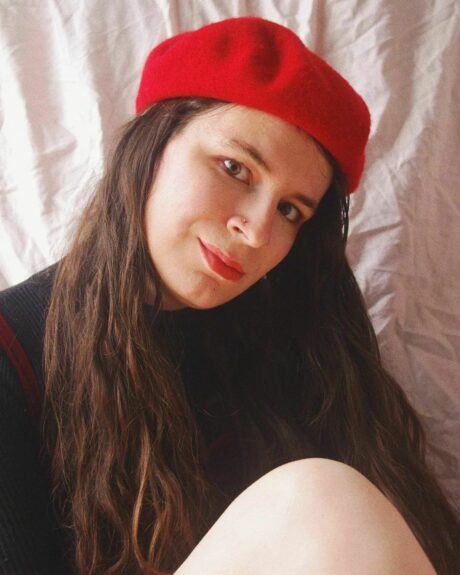
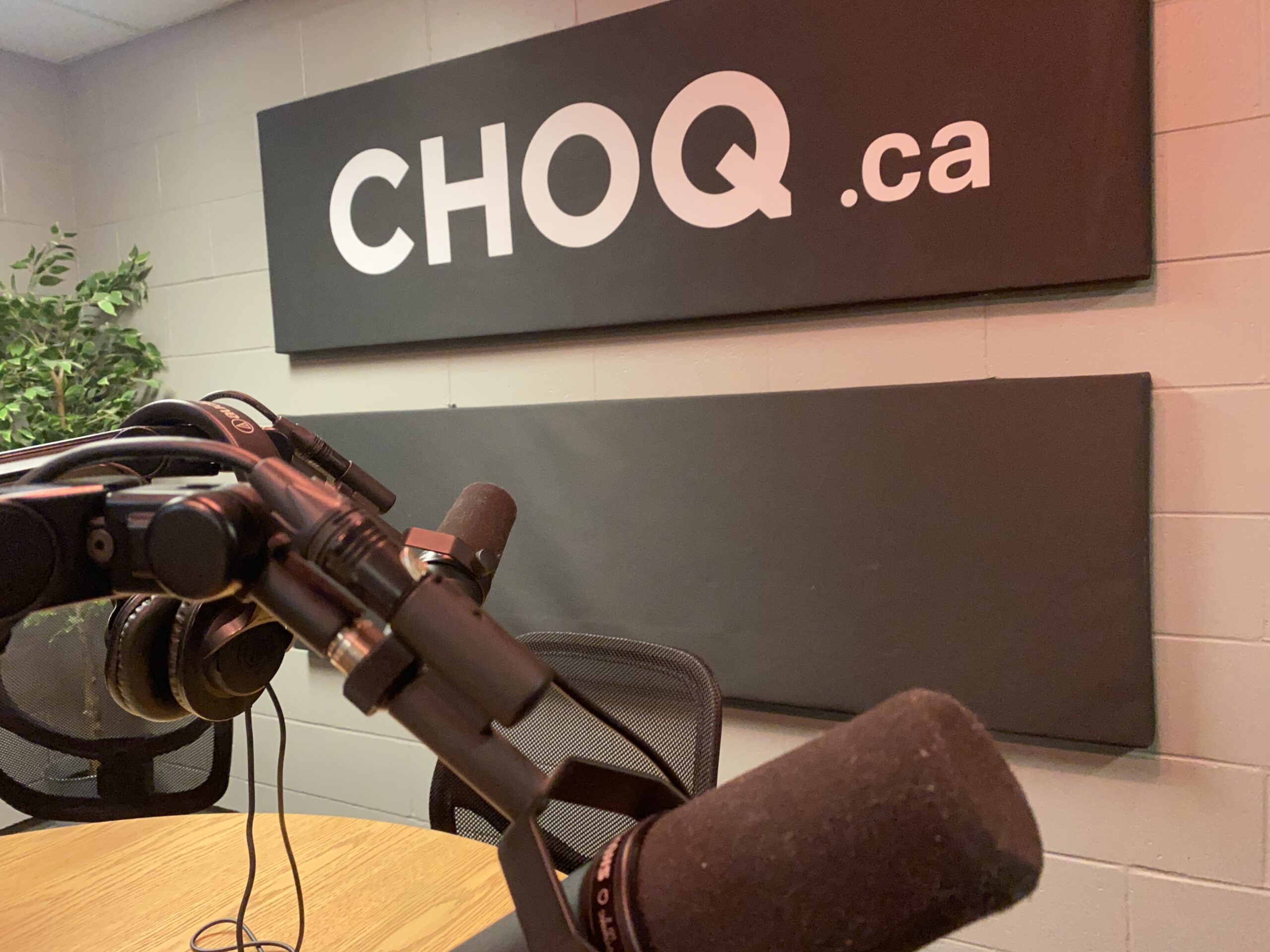
Estelle Grignon, musical director of CHOQ, a radio station created by the UQAM community, is well aware of the different issues faced by artists. She has set up two Palmarès d’album, firstly to promote the local emerging scene, and secondly the international emerging scene. And in keeping with the radio station’s mandate, which is “to be the voice of Montreal’s student and alternative community, and to offer visibility to unusual news, local talent and independent culture, all too often neglected by other broadcasters”, Estelle searches through the various albums and songs to dig out the Quebec and Montreal gems that will make it into her local Palmarès. And this, regardless of language spoken, origin, skin color or gender. “We don’t have the same definition of Québécois as Legault. If you live or were born in Montreal or Quebec, I don’t look at citizenship, you stay local.”
The music director of CHOQ radio also tries to represent the full diversity of the music industry in her Palmarès, and therefore seeks to highlight female artists, or artists of skin color, who are often given less prominence on traditional radio stations that favor white, male artists. And this boost she gives to the artists she broadcasts on her radio is sometimes really appreciated by them. “Some artists have come back to you afterwards to say ‘Ah thank you, that gave me a little boost’” she tells us. It sometimes gives them access to certain festivals that require the artist to have already been broadcast on a public radio station, or for their music to have had national exposure.
But all this wouldn’t be possible without the help of the student community, who get involved to keep these radios going. Although the work is voluntary, many of them want to get involved and propose programs. “The vast majority of our volunteers are UQAM students,” says Estelle Grignon, adding that at CHOQ, they also provide training in the technical side of radio operations. The director also tells us that they often receive requests for programs, but they try to accept those that stand out from what may be offered on other Montreal radio stations. One example is Chudy and her program Opus.
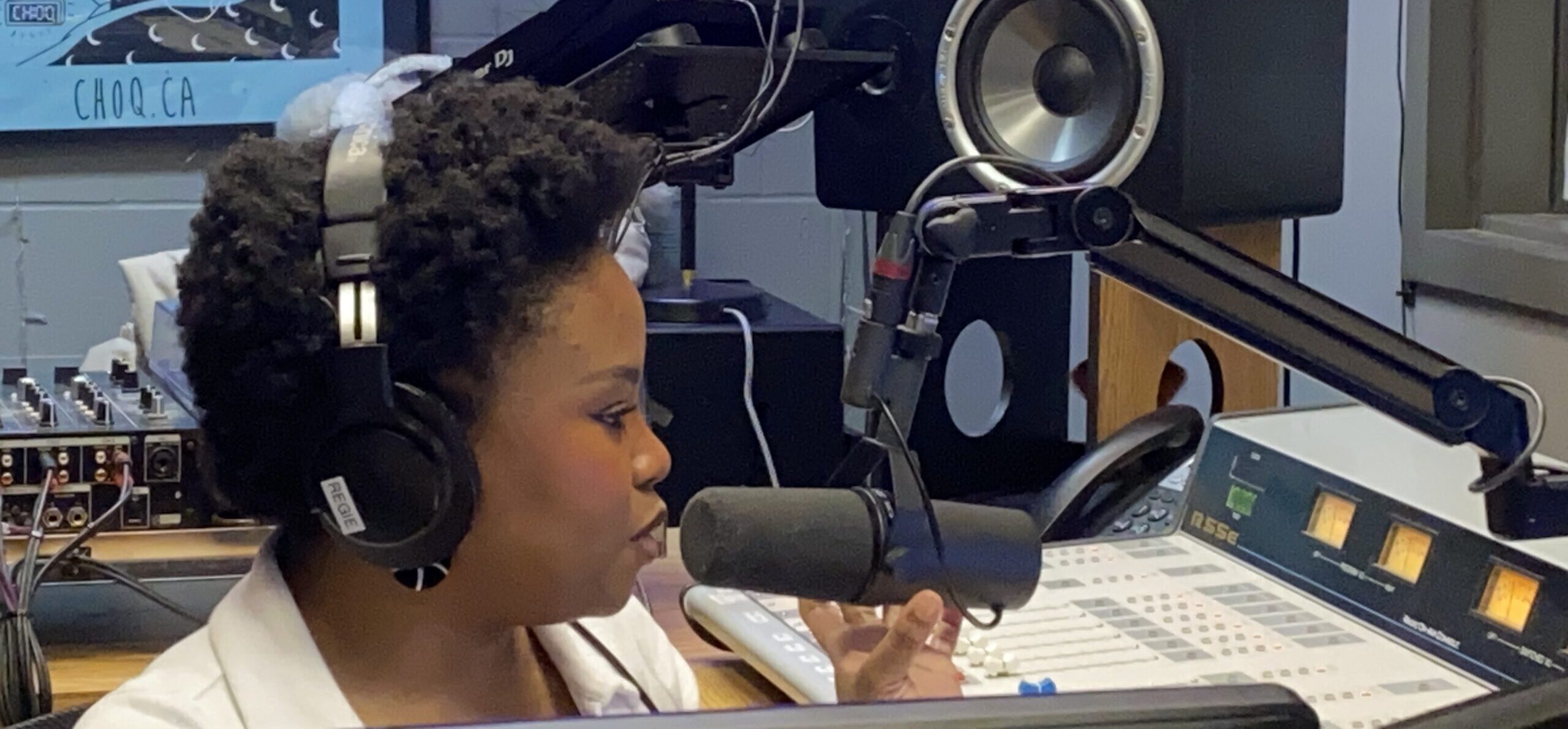
Opus is a show devoted exclusively to discovering producers and beatmakers. These professions are often under-represented on traditional radio stations, or often overshadowed by the figure of the artist. But Chudy decided that talking about these artists was going to be her mission through her 45-minute show. “My aim is really to make people aware of the need to seek out productions.” An idea she came up with in the course of an evening conversation. “The first thing I said to him was that I was a radio host. Then he said, “OK, give me your Instagram.” It was like a light went on, and I thought, OK! Emerging artists are interested in talking about themselves on the radio,”. And her show, which began almost a year ago, is already well established in the industry. Chudy receives press releases from producers and is invited to events like Beat Kits Beat Battle, a battle of producers and beatmakers. “It shows that we really needed a show like this,” she adds.
Programs like Opus help to diversify radio content on musical culture and stand out from traditional media. And there are plenty of such programs on university radio. It’s a way for the student community to contribute to the sharing of culture, while at the same time expanding its horizons thanks to their singularity.