 by
by 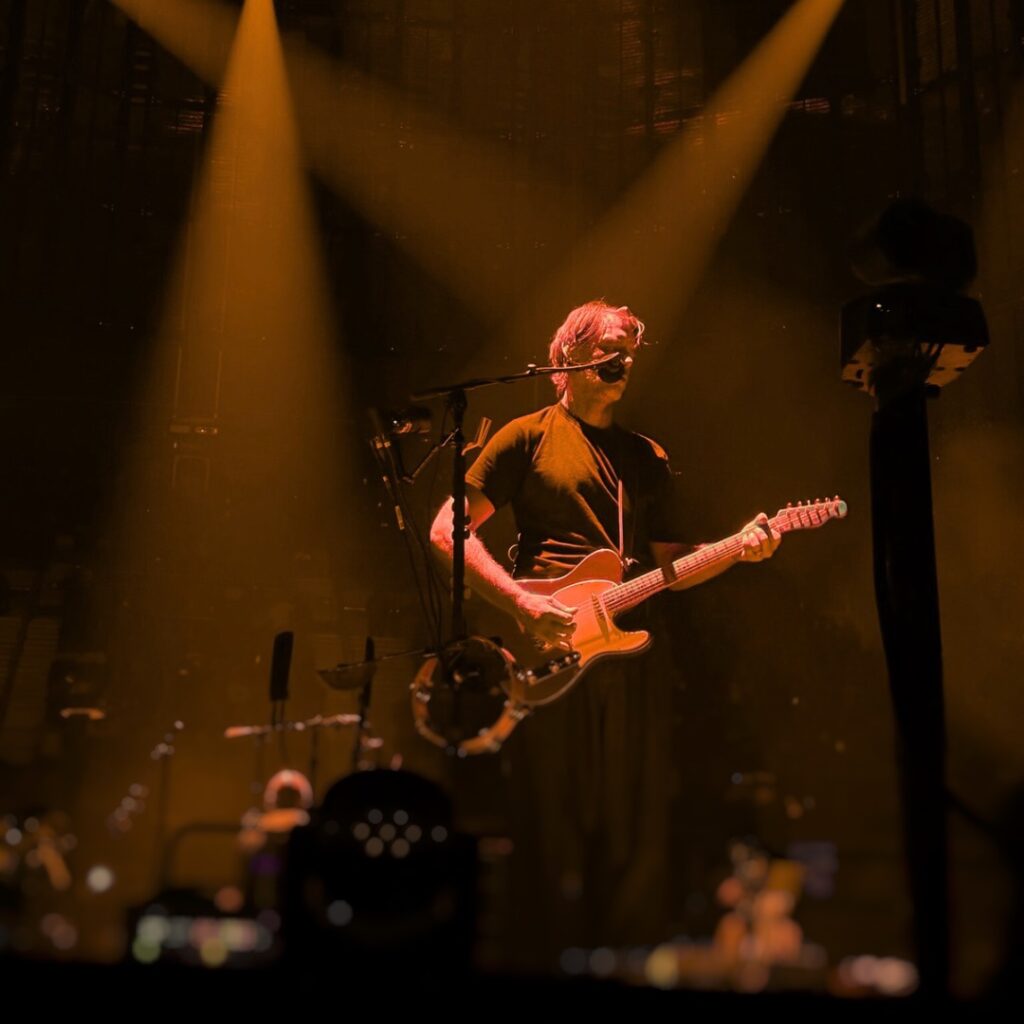
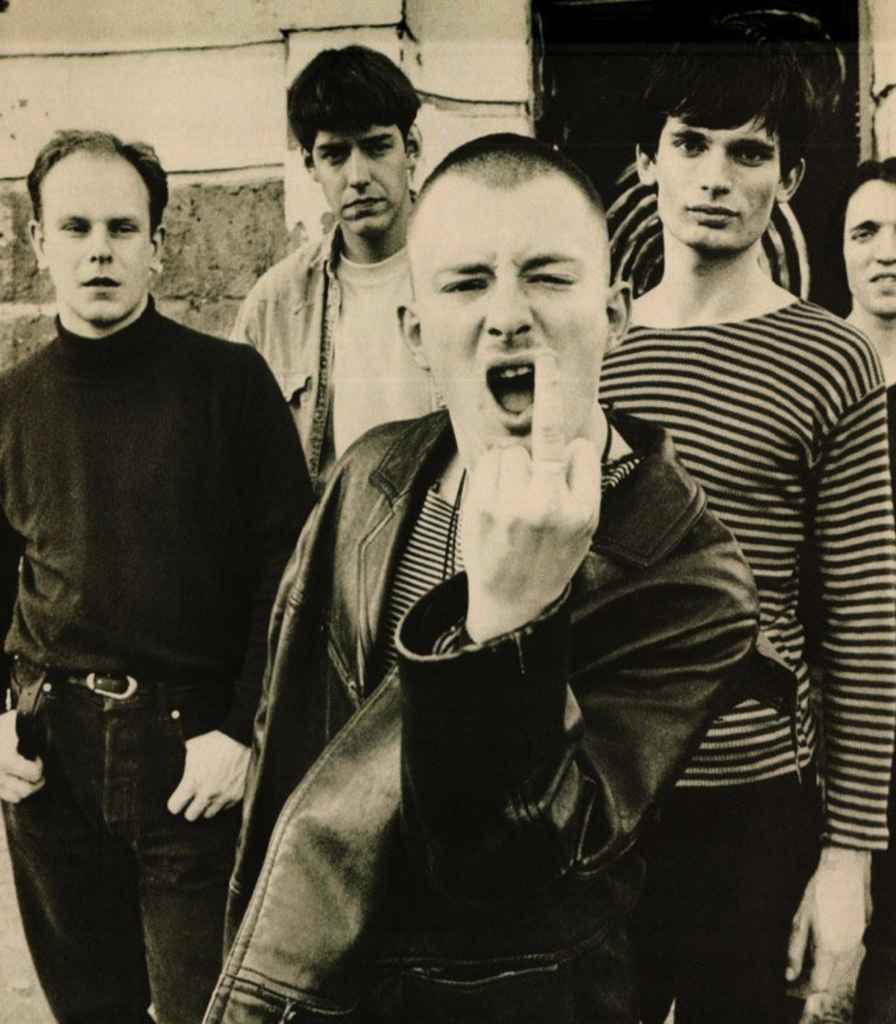
In this year of 2025, we are experiencing historic musical events without really knowing it. Preceded by the return of the legendary band Oasis, the iconic RADIOHEAD is also making a comeback on stage after a seven-year hiatus. Knowing the band’s reluctance to perform live, mainly due to their demands regarding their public appearances, some fans could not believe their eyes. It must be said that it seemed rather unlikely, especially after numerous rumours about a potential comeback. Finally, this event is actually happening and has already begun as you read this sentence. As I was lucky enough to attend, I will simply recount my feelings. It’s 8 November in Madrid, and I’m sitting alone in the stands, having failed to get a ticket for the pit. I sit down and wait. I watch the Movistar Arena in Madrid fill up, without realising what I was about to experience. Then the time came. No delays, five legends appeared on the circular stage in the centre of the room. The band didn’t take the time to ‘put on a show’; they set up, played, and expressed themselves in front of an attentive audience. I was immediately struck by the number of instruments on stage. Apart from the classics, I saw a tambourine, two drum kits, two pianos, three or four other keyboards, and strange instruments on the floor covered in buttons, where Ed O’Brien, sitting cross-legged, played ‘Everything in Its Right Place’. The visual and audio quality that amazed me so much forced me to stay seated for a while at the end of the event, to contemplate what I had just experienced: the fulfilment of one of my greatest dreams. Those two and a half hours of intensity inspired me to write, creating the perfect opportunity to look back on the career of this iconic band, while hoping to honour their genius and pay tribute to the most influential artists of the last three decades.
One might think that their debut album Pablo Honey and its hit single ‘Creep’ is the band’s biggest success, but in my opinion, this is only a matter of statistics and does not reflect the band’s talent. In fact, during their early days, RADIOHEAD sought above all to shake off the label of ‘weirdos’ that had been stuck on them, turning ‘Creep’ from a huge hit into a huge liability. What’s more, being associated with one hit and constantly reproducing ‘what works’ is not RADIOHEAD’s style. Singer Thom Yorke says it himself: a rock band is like riding a bike, you have to keep moving forward to avoid falling off. This sentence implicitly explains the band’s ambitions: a desire to experiment, to evolve, to never offer the same thing twice. Guitarist Ed O’Brien has also spoken on the subject, stating that their tolerance for boredom is close to zero. This constant movement has its risks, particularly with the release of the album Kid A, which some fans considered too experimental, even causing consternation. However, the band’s ideologies are very appealing. In this project marked by the arrival of technology, they sought above all to tinker with their surroundings and give free rein to their creativity. These experiments may have disappointed some listeners, but they undoubtedly attracted new ones, which is remarkable. This is why this band remains difficult to classify in terms of musical genre.
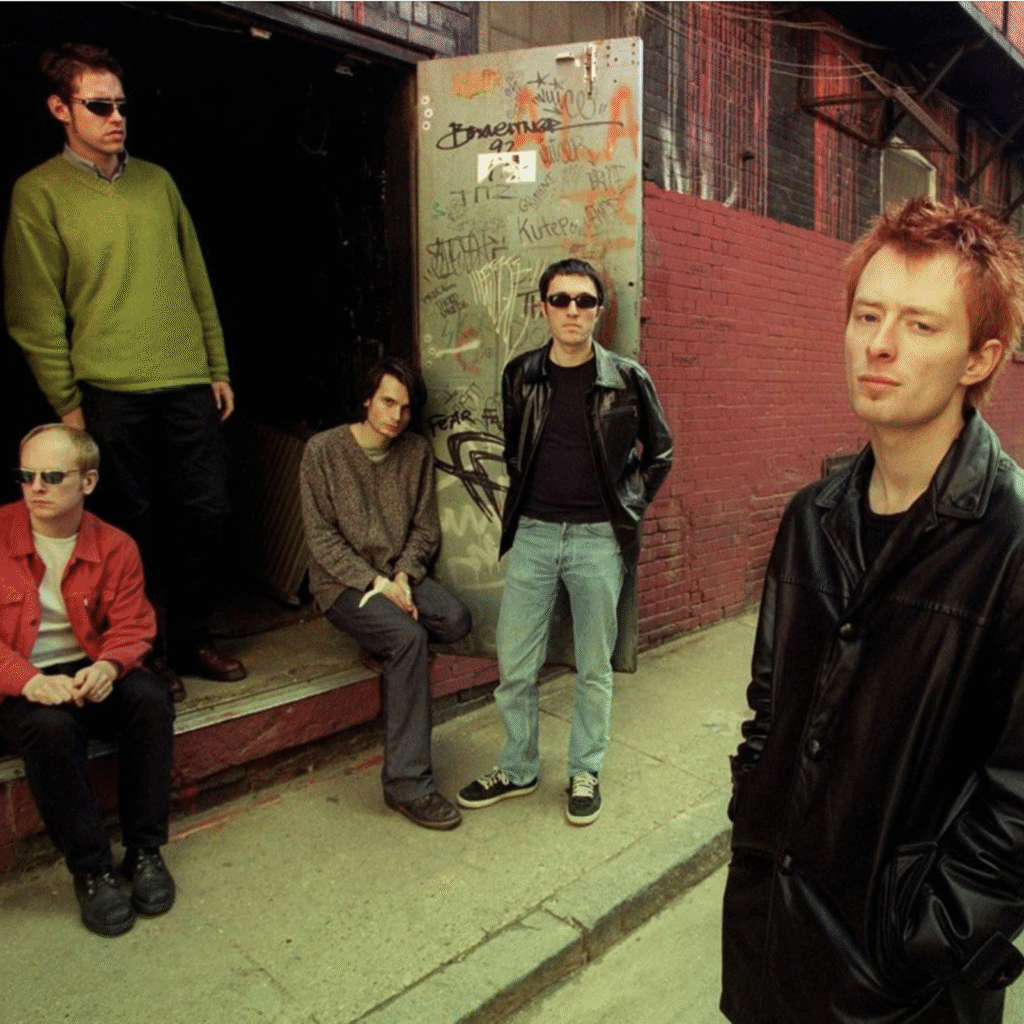
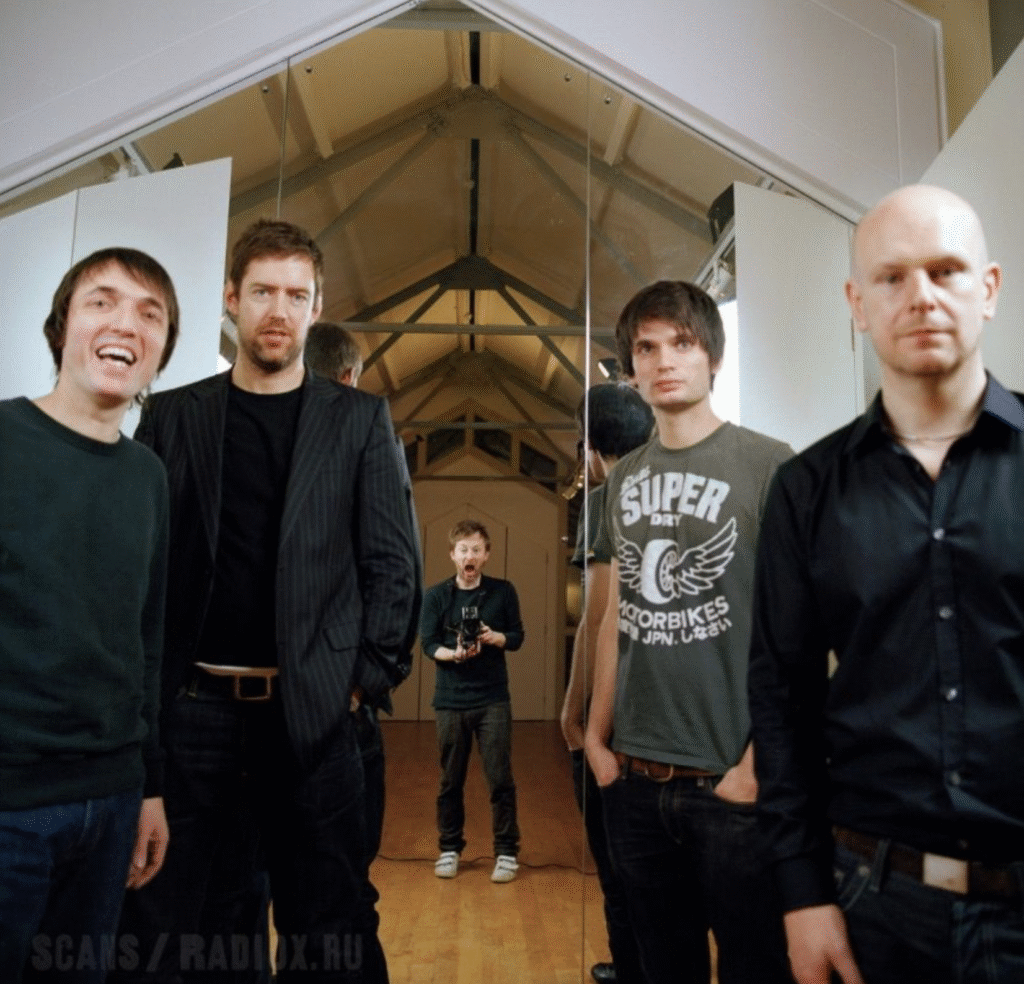
It’s true that when people ask me, ‘What kind of music does RADIOHEAD play?’, I tend to think that this question deserves a more elaborate answer than simply ‘rock band’. That answer would only illustrate a tiny part of what the band represents. Admittedly, their early projects featured grunge sounds, with heavy guitars, powerful drums, and countless ballads, but we mustn’t overlook everything else. I have already mentioned Kid A and its thirst for discovery, followed by Amnesiac, where the band continues its electronic adventure, but we can also mention The King Of Limbs, which, despite its darkness, radiates a desire to stop seeking perfection. Their compositions speak an unexpected language, between experimental itches, calls to trance, and exceptional vocals, there is something for everyone. Speaking of voices, I would like to highlight the very particular way Thom Yorke sings for his era, particularly in songs like ‘Nude’ and ‘You And Whose Army’. I sometimes feel like it’s a cry, a soft cry, or a cry overflowing with emotion, a call.
Ultimately, beyond the euphoria of hearing my favourite band with my own ears, the emotion I felt was much deeper. A mixture of melancholy, excitement, power and heart palpitations wells up inside me, and I lose all control. My body is completely at the mercy of the music, where my tears and smiles no longer belong to me.