 by
by A sample consists of taking a part of an audio from another source – often an existing song – and reworking it to create a new track. Today, however, a sample can also take other forms, such as a sound extract from a video game or the sounds of a film. The very beginnings of sampling can be traced back to France, where Pierre Schaeffer and Pierre Henry created the government-funded Musique Concrète in the ’40s. But for hip-hop, the concept of sampling emerged with the movement in the 1970s in the USA.
Indeed, in rap sampling can be traced back to the very first block party organized by Clive Campbell, aka DJ Kool Herc, who introduced the world to his Merry-Go-Round technique, where he looped the opening drum break in the song Apache by Incredible Bongo Band. Unfortunately, at the time, sampling was perceived by the majors as theft; whereas for the often broke rap producers of the day, sampling was a quick and cheap way of creating beats. It was also a form of cultural expression, with producers often sampling music from their own cultural heritage and past. DJs such as Afrika Bambaataa or even Grandmaster Flash would isolate instrumental breaks from jazz, soul or even disco and loop them to create a new instrumental. This practice led to the beginnings of new rap sub-genres such as Jazz Rap and Neo Soul. Thanks largely to Sugarhill Gang’s hit Rapper’s Delight, the first rap track to enter the Billboard Top 40, sampling became an essential part of hip-hop culture. In the 1990s, sampling became increasingly widespread: major artists sampled old sounds from a variety of musical genres, then had themselves sampled in turn. For example, Eric B. & Rakim’s 1990 sound Mahogany sampled Al Green I’m glad You’re mine (1972) and was sampled in Nas’ classic N.Y. State of Mind (1994) and in part two of the song in 1999. However it was really two producers who marked this decade and the early 2000s.
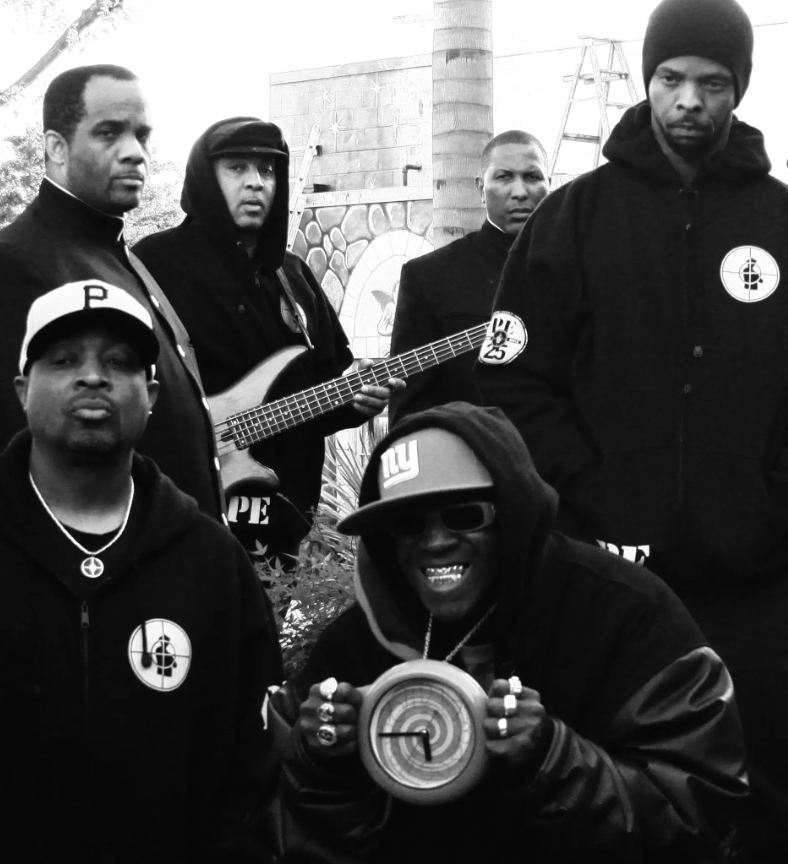
In fact, in the 1980s, sampling entered the studios alongside rap, as major record companies began to invest in the genre. This famous hit notably sampled Chic’s song Good Times. Artists such as N.W.A, the Beastie Boys and even Public Enemy regularly sampled artists, the latter often incorporated political speeches and sounds from television broadcasts into their tracks. Indeed, their best-known example would be on Fight the Power (1989), when the track opens with a vocal sample from lawyer and civil rights activist Thomas “TNT” Todd. In the 1990s, sampling became increasingly widespread: major artists sampled old sounds from a variety of musical genres, then had themselves sampled in turn. For example, Eric B. & Rakim’s 1990 sound Mahogany sampled Al Green I’m glad You’re mine (1972) and was sampled in Nas’ classic N.Y. State of Mind (1994) and in the part two of the song in 1999. However it was really two producers who marked this decade and the early 2000s. The first milestone was DJ Shadow’s album Endtroducing…, released in 1996. What made this album special was that it was the first to be composed entirely using samples taken from vinyl records. Produced solely on an Akai MPC60 sampler over a period of two years, the album is now recognized as a milestone in instrumental hip-hop.
The second is Jay Dee, better known as J Dilla. Remembered as a legend, Dilla had an influence on all the producers of the time, due to his rather particular style of drums. Sadly, he died in 2006 as a result of illness, leaving behind him an important musical legacy. In addition to his collaborations with Q-Tip, MF DOOM, Common and even A Tribe Called Quest, it was his album Donuts, released three days before his death, that left its mark on the movement and is today rightly recognized as a masterpiece.
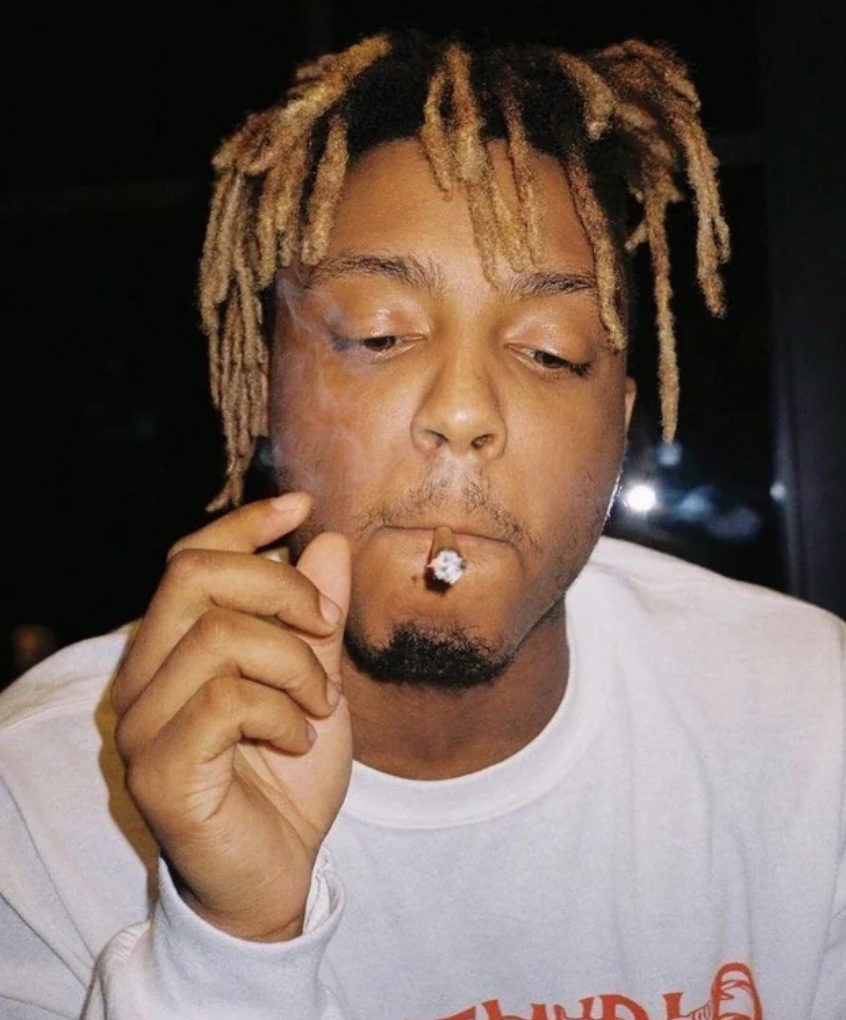
After years of near excessive use, sampling experienced a renaissance in the 2010s. After being sidelined due to an appeal to live instruments, as well as numerous copyright lawsuits, sampling returned to the spotlight, with artists such as Timbaland, Swizz Beatz, Kendrick Lamar, but above all Kanye West. Jay Z’s former beatmaker, has always been an advocate of samples, an aspect that is well reflected in his discography. Here are a few examples of Ye’s masterpieces using samples: Devil in a New Dress, which samples Smokey Robinson’s Will You Love Me Tomorrow, Mercy, which samples Super Beagle’s Dust a Sound Boy, and even Father Stretch my Hands Pt. 1, which samples Pastor T.L. Barrett’s Father I Stretch My Hands. However, compared to the days when sampling was more of a necessity to create beats, today it’s a creative choice made by the artist that brings a certain aesthetic to a project. Indeed, digital technology offers easy, low-cost access to samples. Unfortunately, lawsuits and legal problems relating to copyrights and undeclared samples are still common. A well-known example is Juice WRLD’s track Lucid Dreams, which was at the center of several lawsuits, due to accusations of plagiarism. Nevertheless, sampling was present in almost 1 in 5 hits on the Billboard Hot 100 in 2022, a figure that has been rising for several years. Additionally, sampling has become a common practice in all musical genres: rock, pop, electro, latin…
Sampling, born in the block parties of the Bronx, has evolved from an economic necessity to a veritable art at the heart of US rap. From DJ Kool Herc to Kanye West, sampling has marked every era, reinventing classics and enriching the genre. Despite certain challenges linked to copyright, it remains an essential tool, combining tributes to the past and creation. Now accessible thanks to digital technology, sampling continues to shape modern music, guaranteeing its central role in hip-hop’s legacy.